During the height of the Cold War, governments across the world worried about political enemies, nuclear threats, and espionage.
But in East Germany, one unexpected problem reportedly reached the highest levels of government:
The Beatles.
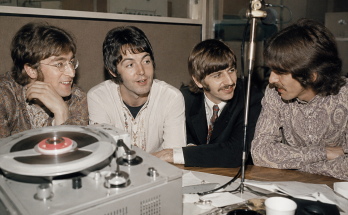
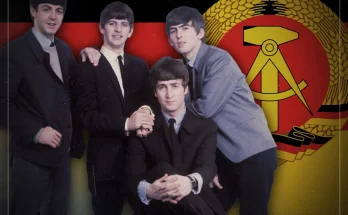
As Beatlemania exploded globally in the 1960s, the Fab Four became symbols of rebellion, youth freedom, and Western cultural influence. While fans across Britain and America screamed for John Lennon, Paul McCartney, George Harrison, and Ringo Starr, communist leaders behind the Iron Curtain watched the phenomenon with growing concern.
In the German Democratic Republic (East Germany), officials feared Western music could slowly weaken socialist ideology among young people.
And according to historical accounts from the era, one Beatles song became especially controversial.
The problem reportedly centered around the infectious “yeah, yeah, yeah” lyrics from She Loves You — one of the band’s biggest global hits.
While West Germany received special German-language Beatles releases like Sie liebt dich and Komm, gib mir deine Hand, the popularity of Beatles music quietly spread into East Germany through radio broadcasts, underground recordings, and youth culture.
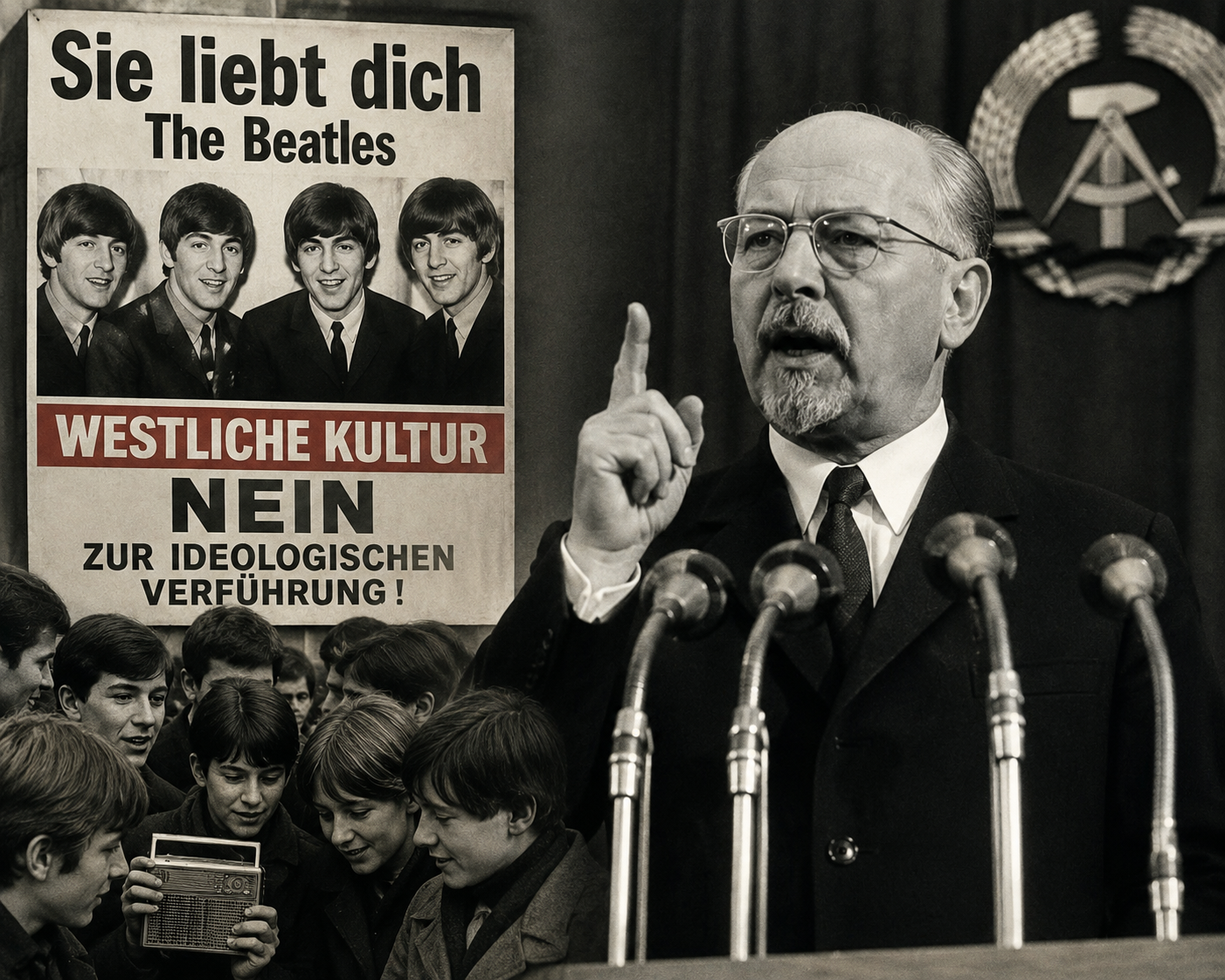
The growing obsession reportedly frustrated East German leader Walter Ulbricht himself.
During a major Communist Party meeting in the mid-1960s, Ulbricht publicly criticized what he described as the dangerous spread of Western cultural influence among young East Germans.
“Is it truly the case that we have to copy every dirt that comes from the West?” he reportedly asked. “With the monotony of the ‘yeah, yeah, yeah’… we should put an end to it.”
The comment quickly became one of the most famous anti-Beatles political reactions of the Cold War era.
At the time, East German authorities viewed rock music as more than entertainment. To many officials, bands like The Beatles represented capitalism, rebellion, changing social values, and dangerous Western influence capable of reshaping young minds.
Despite official criticism, Beatles music continued spreading quietly throughout East Germany.
Teenagers reportedly traded secret recordings, tuned radios toward Western broadcasts, and copied Beatles songs onto homemade tapes passed between friends behind closed doors.
Some historians now believe attempts to suppress Western music only made young people more fascinated by it.
Over time, The Beatles became part of a much larger cultural struggle happening across the Cold War divide — one where music, fashion, and youth identity became unexpected political battlegrounds.
Decades later, the story remains one of the strangest examples of how four musicians from Liverpool managed to unsettle even some of the most powerful communist officials in Europe.