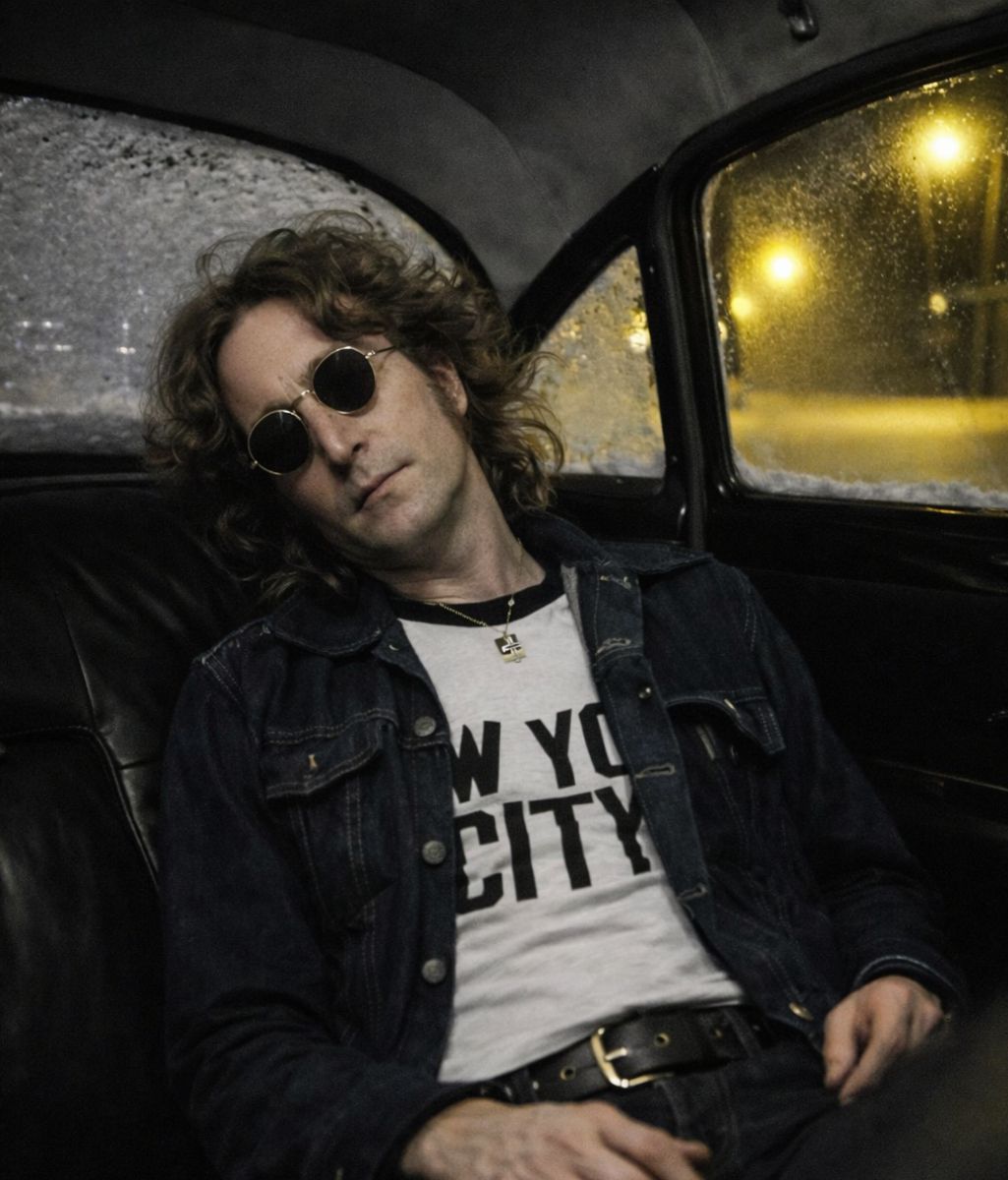
The evening was unseasonably cold in New York City. John Lennon, 40 years old, was returning home with Yoko Ono to The Dakota, the fortress-like building that had become their sanctuary. He was, by all accounts, in a hopeful mood. The creative fires were relit; Double Fantasy was in the world, a comeback album brimming with domestic love and hard-won peace. The 1970s, a decade of personal and artistic turmoil, felt behind him. The future felt like a promise.
At 10:50 PM, that promise was murdered.
Mark David Chapman, a troubled man who had received an autograph from Lennon just hours earlier, stepped from the shadows. He called out “Mr. Lennon,” assumed a combat stance, and fired five hollow-point bullets from a .38 revolver. Four hit their target.
Lennon staggered up five steps into the Dakota’s security office, gasped “I’m shot,” and collapsed. He was pronounced dead on arrival at Roosevelt Hospital at 11:07 PM.
The news did not “break.” It detonated.
Radio stations interrupted programming with choked, disbelieving bulletins. In Liverpool, Pete Best heard it on his car radio and pulled over, weeping. In Sussex, Paul McCartney heard the reports while in a recording studio and, after a stunned moment, went home to be with his family, thinking, “It’s a drag.” In Los Angeles, a distraught George Harrison rushed to be with his Olivia. Ringo Starr, also in the U.S., was besieged by press.
But the true impact was felt on the streets. Outside the Dakota, a vigil began that would swell into the thousands—a spontaneous, candlelit cathedral of grief on the Upper West Side. In cities around the world, people poured into public squares, holding radios aloft, singing “Give Peace a Chance” and “Imagine” through tears. It wasn’t just the death of a musician; it was the assassination of an idea. The idea that peace was possible, that love could be a radical act, that a working-class kid could change the world with a melody and a message.
The echo of that night is not just a silence. It is the permanent, unanswered question in every Beatles reunion that could never be. It’s the ghostly harmony missing from every tribute. It’s the haunting weight in Paul McCartney’s voice when he sings “Here Today.”
John Lennon’s death did more than end a life; it ended a certain kind of innocence in popular culture. It proved that the dreamers were vulnerable, that the lights could be violently extinguished. His music, from the joyful moptop pop to the raw, political howls and gentle anthems of peace, became his testament—a library of what was, and a blueprint for what he believed could still be.
Forty-three years later, the loss has not healed. It has fossilized into memory. We are not reminded of what we lost, but of what he gave us: a relentless, imperfect, beautiful demand to imagine better. The dream was not stolen. It was interrupted. And every time someone sings his song against the darkness, they pick up the thread he left behind, proving that while the man is gone, the music, and the dream, are stubbornly, defiantly alive.