# **Authentic vs. Fabricated: Navigating the Public Words of Icons Like Brian May**
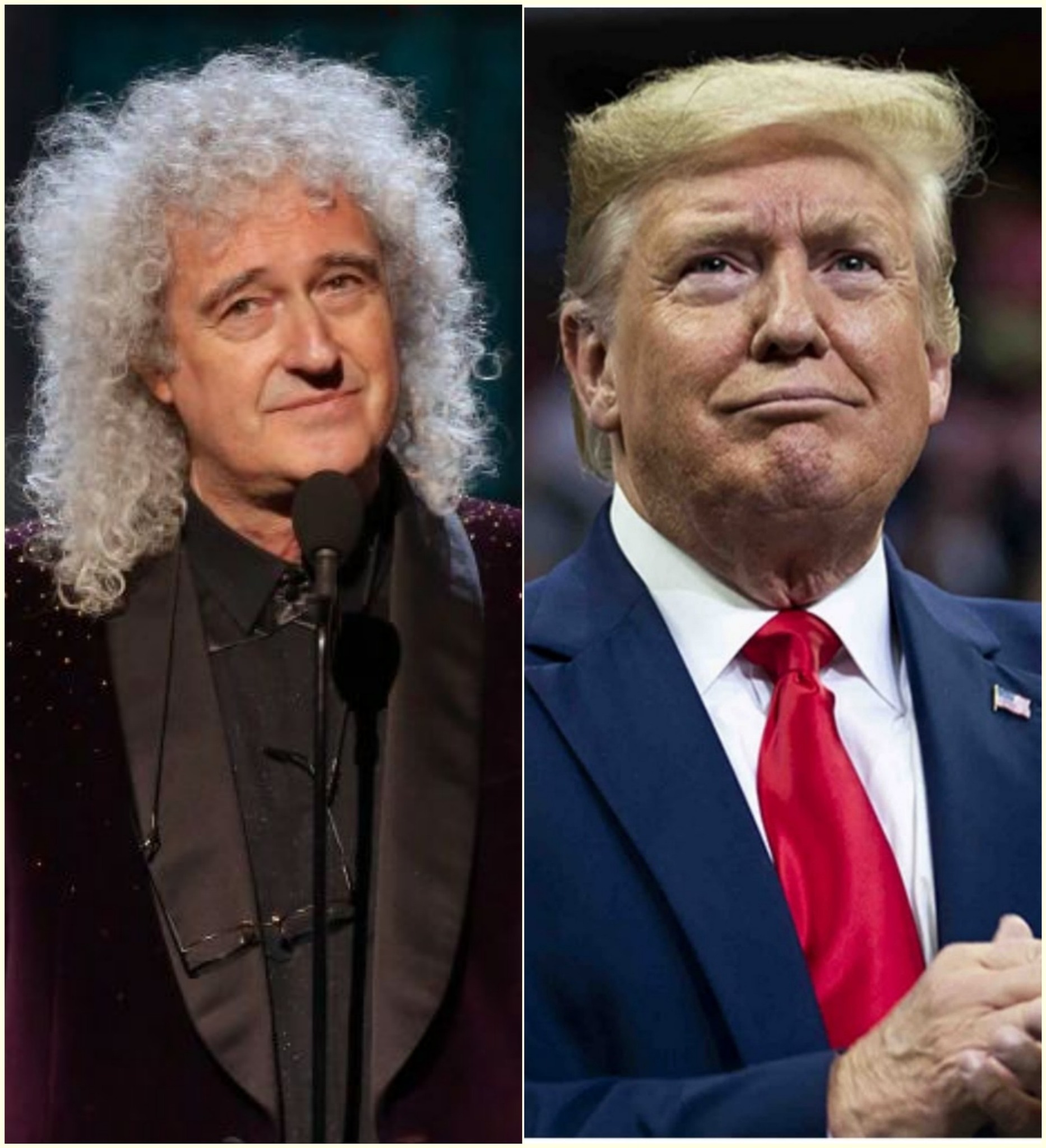
A recent, viral text snippet has sparked confusion and debate across social media and online forums. It depicts Queen guitarist **Dr. Brian May** delivering a sharp, politically charged monologue on a news panel, passionately defending a law-and-order narrative and commenting directly on U.S. political figures and unrest. The dialogue is written with conviction and echoes certain political talking points, leading many to wonder: **did Brian May really say this?**
The short answer is **no.** This text is a fabrication—a piece of creative writing or “fan fiction” that uses May’s respected persona as a vehicle for a specific political argument. However, its existence and the confusion it causes offer a valuable case study in digital media literacy and the importance of verifying information.
### **Why This Fabrication is Convincing (and Problematic)**
The passage is crafted to sound plausible by employing several persuasive techniques:
* **Voice Mimicry:** It uses a calm, firm, and intellectually commanding tone, which aligns with May’s public demeanor as a thoughtful scientist and elder statesman of rock.
* **Leveraging Status:** It borrows May’s immense credibility as a globally beloved, knighted figure with a PhD in astrophysics to lend weight to the political argument.
* **Plausible Scenario:** May is known to give interviews on a wide range of topics, from music to science to animal welfare, making a political appearance seem within the realm of possibility.
The core problem is **misattribution.** It conflates Brian May’s very real platform and moral authority with views he has never expressed, potentially misleading fans and distorting his public record.
### **The Real Brian May: Advocacy and Stance**
To contrast the fabrication, it is crucial to understand what Brian May *has* consistently and publicly advocated for. His activism is deep-rooted and focused on specific causes:
| Area of Advocacy | Key Stances & Actions |
| :— | :— |
| **Animal Rights & Welfare** | Co-founded the **Save Me Trust**; a lifelong campaigner against fox hunting and the badger cull in the UK; outspoken advocate for wildlife protection. |
| **Science & Rationalism** | Promotes scientific literacy and evidence-based reasoning; comments on space exploration and cosmological discoveries. |
| **General Humanitarianism** | Advocates for kindness, compassion, and speaking truth to power; supports various charitable causes. |
| **Political Engagement (UK-focused)** | Has occasionally commented on **UK-specific** issues like Brexit and government policy related to his advocacy areas, but does not engage in partisan campaigning for candidates. |
**Crucially, Brian May has no history of intervening in partisan U.S. electoral politics or delivering structured critiques of American political figures like the one fabricated.** His political comments, when made, are typically in the context of his core causes or generalized pleas for better governance.
### **How to Verify Statements from Public Figures**
This incident serves as a critical reminder to practice source verification:
1. **Check Primary Sources:** Go directly to the person’s **official verified social media accounts** (Twitter/X, Instagram, Facebook) or official website. If a major statement was made, it would be there.
2. **Seek Reputable Secondary Sources:** Look for coverage from established news agencies (BBC, Associated Press, Reuters) or reputable music/news outlets that would have recorded such a significant interview.
3. **Be Wary of “Viral Text”:** Isolated blocks of text in quotes, especially without a linked video, timestamped interview, or original publication source, should be treated with high skepticism.
4. **Consider the Pattern:** Does this statement align with the person’s lifelong pattern of advocacy? In this case, the fabricated U.S.-centric political argument is a clear outlier.
### **Conclusion: The Importance of Protecting Authentic Voice**
The fabricated Brian May monologue is more than a fake quote; it’s a form of **identity borrowing** that can muddy public discourse. For fans, it’s essential to separate the real artist and advocate from fictionalized versions used for other purposes.
Brian May’s authentic voice—advocating for animals, celebrating science, and promoting compassion—is powerful enough on its own. Protecting the integrity of public figures’ stated views is not just about avoiding misinformation; it’s about respecting their actual life’s work and the causes they have chosen to champion. In an age of digital fabrication, turning to verified sources is the first step toward honoring that authenticity.