# **The Sovereign Self: The Radical Truth Behind Freddie Mercury’s Name**
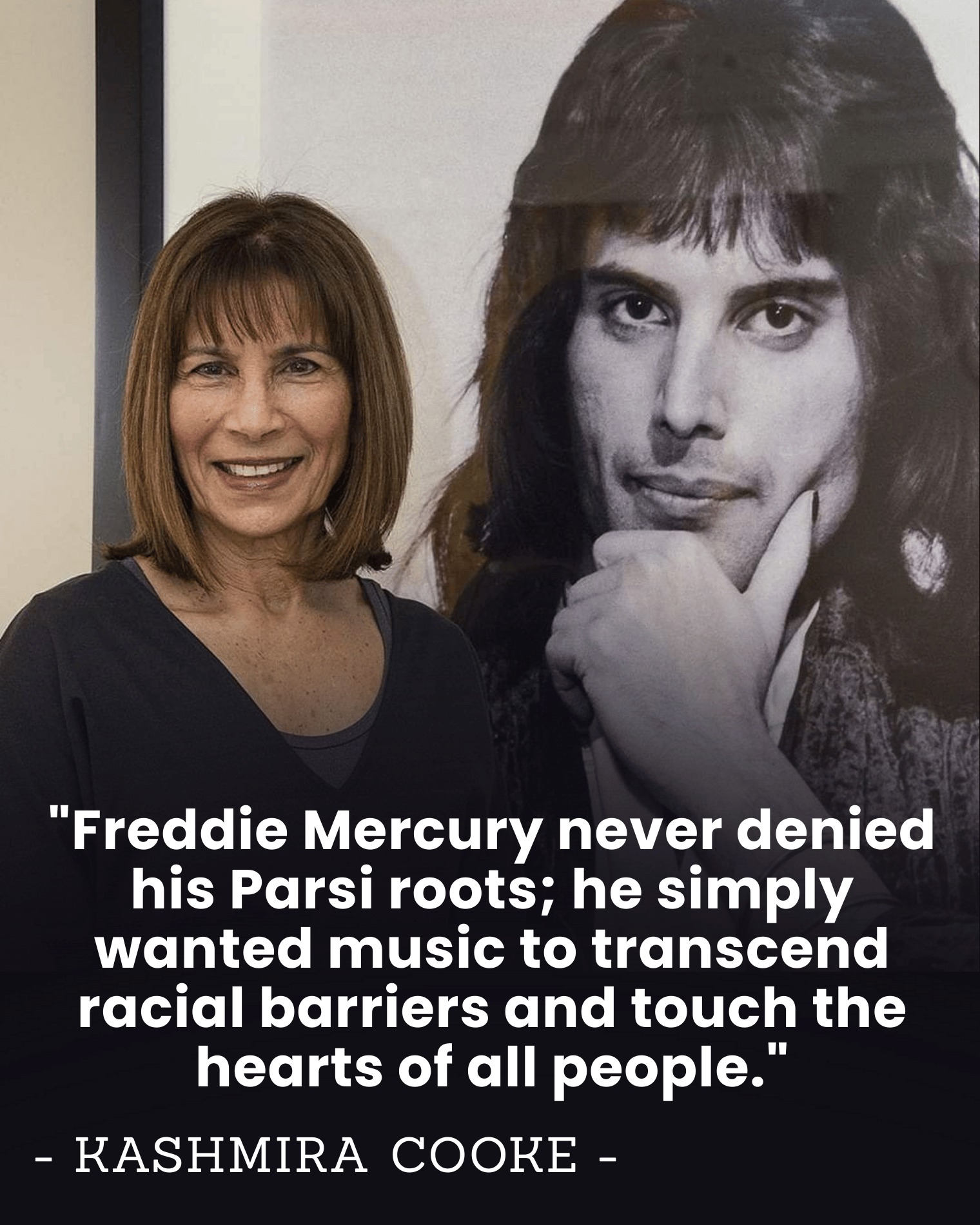
The narrative is seductively simple: born Farrokh Bulsara, a Parsi boy from Zanzibar, he shed his name and heritage to become Freddie Mercury, the ultimate Western rock god. To some, it’s the ultimate act of cultural assimilation, even betrayal. But this reading misses the profound, radical agency at the heart of his transformation. Freddie Mercury didn’t erase Farrokh Bulsara; he **built a sovereign nation of the self** around him.
**The Name as a Creative Charter**
“Freddie Mercury” was not a rejection, but a **declaration of independence**. It was a consciously crafted artistic identity, as deliberate as the piano riff in “Killer Queen” or the staging of Live Aid. In the rigid, often racist class structure of 1970s Britain, the name “Farrokh Bulsara” came with a pre-written script of outsiderness. “Freddie Mercury” was a blank page. It gave him control over the narrative from the very first introduction. It was a stage name in the most literal sense—a name for the stage he was about to conquer, freeing his artistry from preconceived boxes.
**The Sanctuary of the Persona**
This wasn’t about shame, but about **strategic sanctuary**. Mercury maintained fierce, private connections to his family, his Zoroastrian roots, and his childhood. These were the foundations, not the façade. The flamboyant, androgynous, rock deity persona was the fortress he built on that foundation—a spectacular distraction that protected the quiet, sensitive, deeply private man within. He didn’t “whitewash” himself; he **gilded his privacy** in the most brilliant, unignorable way possible. The louder the persona, the more invisible the man could become.
**The Legacy of Self-Creation**
Ultimately, Freddie Mercury’s name change is the cornerstone of his most powerful message: **identity is not a cage, but a creation.** He understood that in the arena of global art, you could define the terms of your own existence. He took the immigrant’s need for reinvention and weaponized it into a world-conquering superpower.
The story isn’t Farrokh versus Freddie. It’s **Farrokh *creating* Freddie** as the ultimate act of self-determination. He didn’t abandon a past; he authored a future. In doing so, he left a legacy that speaks especially to anyone who has ever felt the need to translate themselves for a new world: you do not have to diminish to fit in. You can, instead, **invent a version of yourself so vast and brilliant that the world has no choice but to expand to make room for you.** The name wasn’t a mask; it was a masterpiece.