# **The Unmade Peace: John Lennon’s Lost Plan to Save The Beatles**
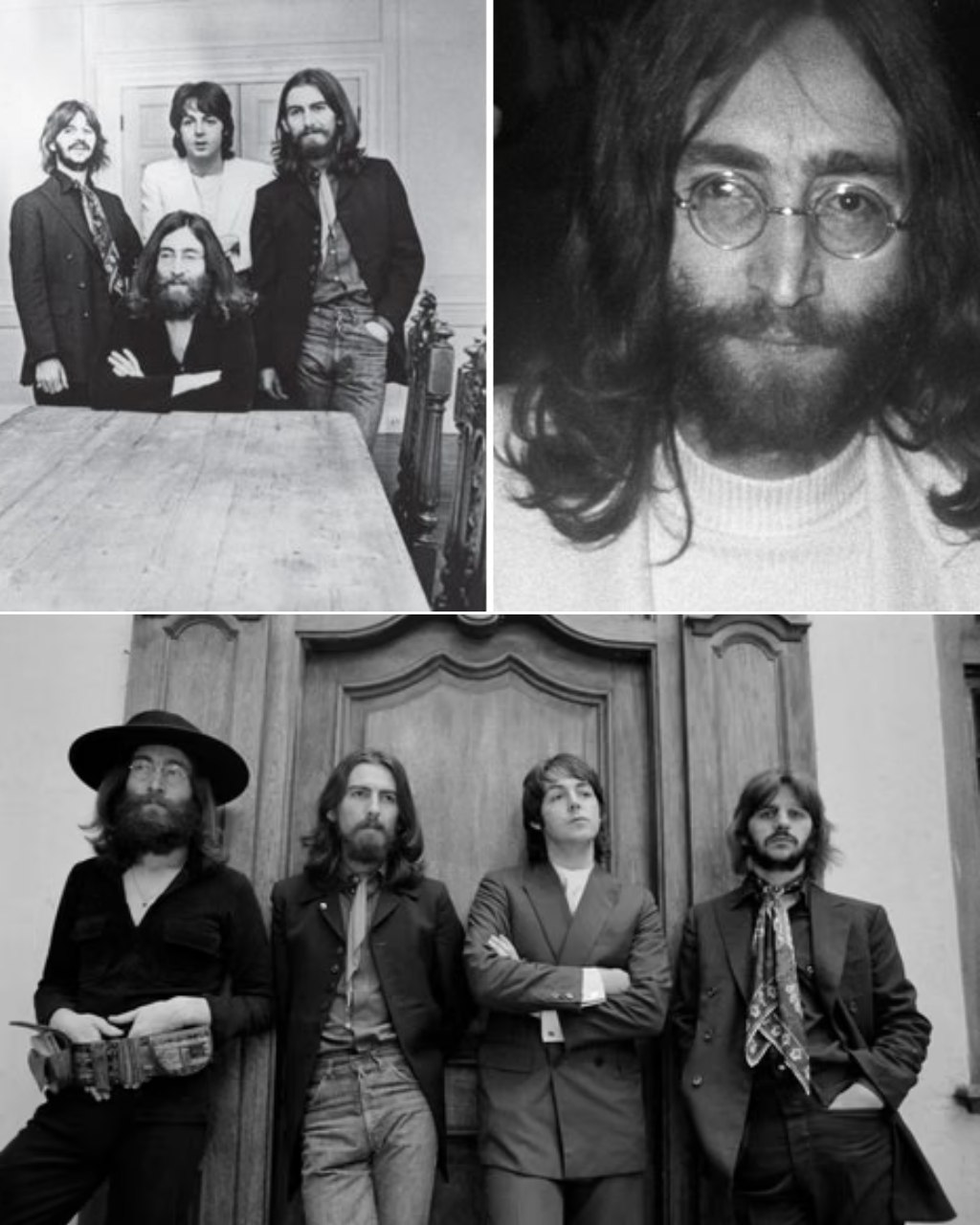
In the collective memory, The Beatles’ end is a story of fractures: the rooftop finale, the acrimonious business meetings, the famous line, “I want a divorce.” But just beneath that final, formal break lies a ghost—a different ending that almost was. For a fleeting moment in the latter half of 1969, John Lennon, the band’s most restless and disruptive force, wasn’t its executioner. He was its architect, drafting a blueprint for its survival.
The plan, pieced together from studio chatter, private conversations, and the memories of those in the room, was startlingly rational and radically fair:
1. **Dissolving Lennon–McCartney:** He proposed officially ending the 50/50 songwriting credit on all new material. Songs would belong to their primary writer. This was meant to shatter the creative tension that had once fueled them but now suffocated individuality. It was an acknowledgment that “The Beatles” were now four songwriters, not two.
2. **Elevating George and Ringo:** The new structure would mandate that each album include a guaranteed number of Harrison and Starr compositions, treated with the same studio time and respect as his or Paul’s. This wasn’t charity; it was a recognition that the band’s strength had diversified.
3. **The “Solo Within the Group” Model:** He envisioned a return to a purer, earlier dynamic—The Beatles as a collective of solo artists who chose to play on each other’s records. Less a single entity, more a shared creative home. They would come together for albums but be free to explore their own projects without it being seen as betrayal.
**The Glimmer of Hope**
A tape from this period captures not the furious, wounded John of *Plastic Ono Band*, but a weary, pragmatic one. The tone isn’t of a man burning a bridge, but of one trying to redesign it so it could bear new weight. There is **exhaustion**, but also a flicker of hope—the hope that adulthood, fairness, and space could replace the teenage intensity that had burned too bright to sustain.
**Why It Vanished**
The collapse of this peace treaty was swift and total. The reasons are a cascade:
* **The Poisoned Well of Business:** The quagmire of Apple Corps and the looming presence of Allen Klein made any discussion of fairness instantly adversarial. Trust had been replaced by lawyers.
* **Paul’s Counter-Vision:** McCartney, re-energized and seeking to pull the group back to its core identity, pushed for a return to touring (the *Get Back* project). His vision of unity clashed with John’s vision of autonomous individuality. They were proposing opposite salvations.
* **The Irreversible Moment:** Perhaps it was the silent, seething meeting after Paul privately rejected Klein. Or the moment John played “Cold Turkey” to the band and they declined to record it. A series of small, personal rejections made the grand, structural plan feel naive. The emotional reality outstripped the intellectual solution.
* **Yoko’s Presence:** While not the cause, her constant presence was the undeniable symbol of John’ new creative and emotional center—a living, breathing manifestation of the “solo project” he was describing. It made the theoretical plan a tangible, and for some, painful, reality.
**The Door That Closed**
The Beatles didn’t end with a bang, but with the quiet closing of a door John himself had tried to prop open. His lost plan reveals the tragedy wasn’t a lack of ideas to save the band, but a fatal surplus of them—competing visions of the future from people who could no longer hear each other. The greatest band on earth ended not because the music died, but because the **conversation** did. And in that silence, the most hopeful blueprint for its future was simply filed away, a ghost of what might have been, in the archive of the greatest what-if in rock history.