A distinctly French pop phenomenon that helped define the 1960s soundtrack along with the British Invasion and Phil Spector’s Wrecking Crew, the yé-yé wave still scores the global impression of Francophone culture to this day.
Typically fronted by a young female singer, a frothy blend of R&B, easy listening, beat, and the nation’s own chanson heritage all provided the likes of France Gall, Jacqueline Taïeb, Sylvie Vartan, and Françoise Hardy their yé-yé fame, a hooky and infectious borrowing to just the right degree of the US pop heritage, but infused with an inimitable national flavour keenly devoured by an emerging youthquake eager to shake off the cultural residue of their parents’ war and forge their own identity.
Echoing the dawn of sexual liberation ridding itself of conservative mores across the Western world, a playful eroticism burned at the centre of the yé-yé songbook that tantalisingly hid behind a coy naivety, at times bordering on infantilising at the hands of the male songwriters penning the hits, but numbers like Hardy’s ‘Tous les garçons et les filles’ and Gall’s ‘Poupée de cire, poupée de son’ would straddle a beguiling realm of light pop, fair and nonchalant flirtatious allure.
Naturally, lascivious lothario Serge Gainsbourg took to yé-yé’s amorous charge like a duck to water, dialling up the provocation with his and Jane Birkin’s racy ‘Je t’aime… moi non plus’ and ‘69 année érotique’, as well as penning the scarcely concealed ‘Les Sucettes’ innuendo for Gall a year after their ‘Poupée de cire, poupée de son’ Eurovision collaboration, a song about the “lollipops” she enjoys sucking on:
“Annie loves lollipops, aniseed lollipops / When the sweet liquid runs down Annie’s throat, she is in paradise.”
But where did the yé-yé name come from? Hardy had opened her ‘La fille avec toi’ with a “Yeah yeah yeah yeah” for her Le Petit Conservatoire de la chanson TV show appearance in February 1962, later to find its presence in the press in a July 1963 article for Le Monde.
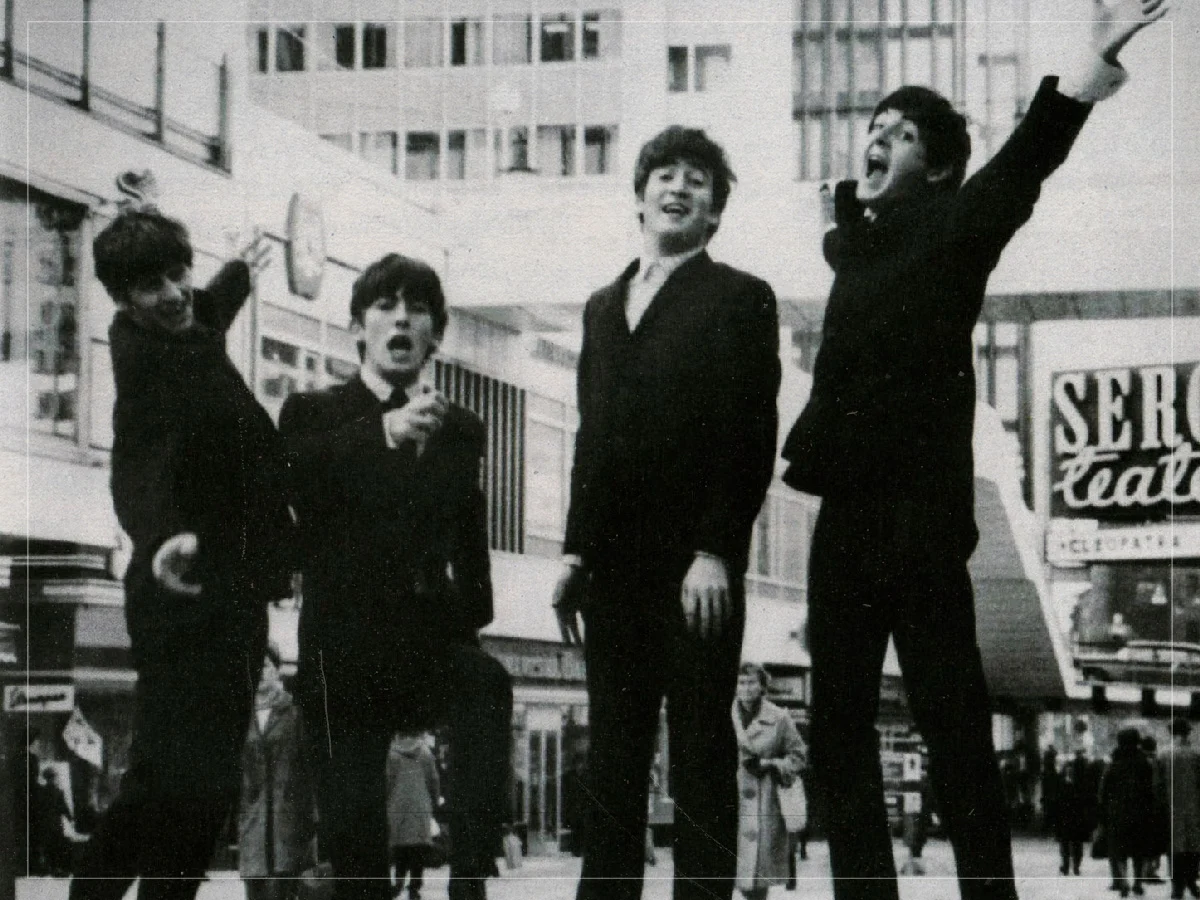
But the key and most foundational influence for yé-yé’s surge was sparked by The Beatles’ biggest hit to date in August 1963, the single that helped pave their way for pop domination of the European continent and the hallowed American charts.
There’s a surging, carefree energy to ‘She Loves You’ that perfectly encapsulates Beatlemania’s dizzying fever across the world’s charts. Adopting the “Yeah yeah yeah” Americanism over the formal “Yes yes yes”, those three repeated words and their subtle but significant change spelt to pop fans around the world a rejection of convention and expectation, as well as ignoring cultural stiffs aghast at the US’ pernicious influence on the nation’s youth, be it the UK or France.
It was perfect. Adopting the umbrella term for the new crop of impossibly cool and chic singers illustrating the French postwar generation’s clamour for hedonism and a keen subversion of the day’s Gaullist nationalism, the yé-yé girls brought 1960s swing to France and offered up an enduring pop legacy that still sparkles with seductive energy all these years later, and another example among countless of how the Fab Four’s reach truly helped change the world.