The Private Pass: The 1997 Acoustic Confession of George Harrison
In 1997, George Harrison did not perform “All Things Must Pass.” He confided in it.
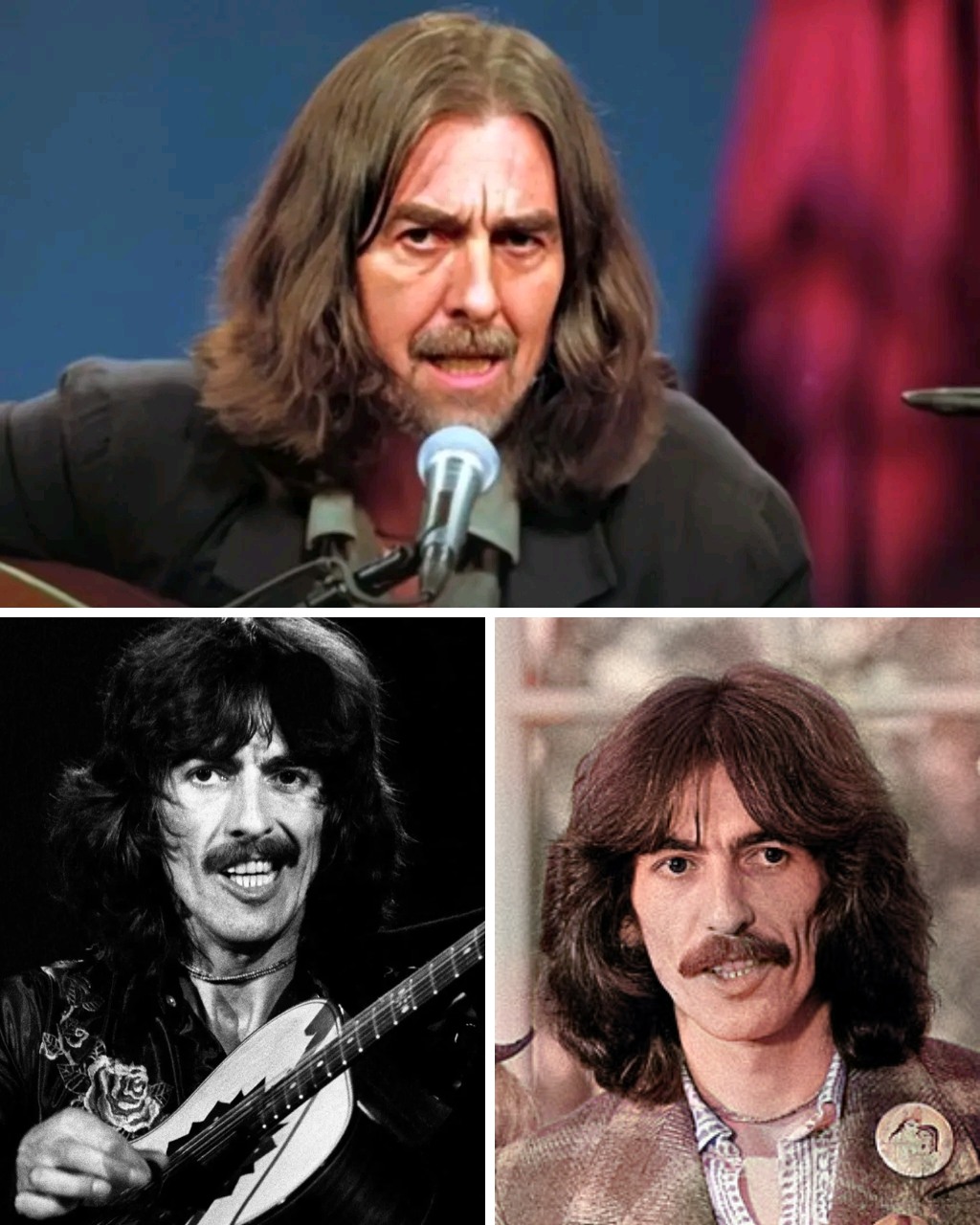
There was no stage. No roaring crowd, no symphony of slide guitars. Just the quiet of a sunlit room at Friar Park, an aging Martin acoustic, and a voice that had already traveled through the eye of a hurricane and come out the other side, softer and clearer.
The song, once a monumental, Phil Spector-soaked declaration of liberation in 1970, had shed its cathedral of sound. Stripped to its bones, it was no longer an anthem. It was **a conversation between a man and his own philosophy.** Each chord was struck not for effect, but for feeling. His voice, thinner now, etched with time and his recent battle with cancer, didn’t soar—it **settled.** It carried the gentle, unwavering authority of someone who had tested the song’s truth against life itself and found it held.
*All things must pass…*
The lyric, once a youthful, albeit wise, insight into the impermanence of Beatles-era turmoil, now resonated with a different, deeper frequency. It spoke to the fading of health, the changing of seasons in a literal and spiritual garden, the quieting of a once-frantic world around him. He wasn’t singing about the end of a band. He was singing about the nature of existence.
This wasn’t nostalgia. Nostalgia looks back with longing. This was **presence.** It wasn’t a farewell. It was an acknowledgment.
It was **acceptance**, played in real time.
And in that profound stillness—the space between the notes, the breath between the lines—Harrison demonstrated the true life cycle of a great song. It doesn’t age into obsolescence. It **deepens.** It accumulates layers of lived experience. The young man’s prophecy becomes the older man’s testimony.
He wasn’t giving a concert. He was offering proof. Proof that the peace he spent a lifetime seeking wasn’t just in the lyrics of a sacred chant or the silence of meditation. It was right there, in the resolved cadence of his own masterpiece, finally understood not as a hit record, but as a companion for the journey.
That private take, a whisper compared to the original thunderclap, may be the truest recording George Harrison ever made. It’s the sound of a soul, having weathered all storms, finally coming home to rest inside the very truth it once only hoped to believe.