“I Felt Like I Wasn’t Playing Great Anymore” — Ringo Starr Details His Secret 1968 Mediterranean Escape
LONDON — The White Album sessions were supposed to be creative liberation. Instead, they became some of the most tense weeks in Beatles history.
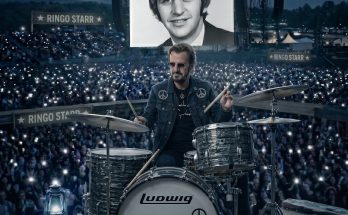
Ringo Starr sat behind his drums as John, Paul, and George tore through takes, argued about arrangements, and slowly forgot that the man keeping time was struggling.
“I felt like I wasn’t playing great anymore,” Ringo later admitted. “The atmosphere was heavy. Everyone was critical. I started to wonder if I even belonged there.”
Then he did something no one expected.
He walked out.
The Breaking Point
August 1968. The Beatles were recording at Abbey Road, but the dynamic had shifted. Yoko Ono sat beside John constantly. Paul grew increasingly perfectionist, demanding take after take. George bristled at being treated as a junior partner.
And Ringo? He felt invisible.
“When Paul did ‘Back in the USSR,’ he played drums himself. I came in and there was nothing for me. I thought, ‘Right, I’m not needed here.'”
The final straw came during a heated session. Ringo played a part. Someone criticized it. He played it again. More criticism.
“I just stood up, walked out, and didn’t look back.”
The Escape
Ringo didn’t go home. He didn’t call anyone. He simply disappeared.
A friend offered him use of a yacht in Sardinia. Ringo accepted. For two weeks, he floated alone on the Mediterranean, far from Abbey Road, far from the tension, far from everything.
“I needed to reset. To remember who I was outside of The Beatles.”
The Isolation
Those who knew Ringo worried. The Beatles scrambled. Press caught wind of tension but didn’t know the full story. Was the band breaking up? Had Ringo quit for good?
On the yacht, Ringo wrestled with those same questions.
“I thought about leaving permanently. About finding something else to do with my life. The band had been everything for so long. Maybe it was time to let go.”
The Spark
Then something unexpected happened. Alone on the water, with nothing but time and silence, an idea began forming.
A simple melody. A gentle rhythm. Words about sailing, about clearing minds, about finding peace.
“It came to me out there. Just drifted in like the tide.”
That idea would become “Octopus’s Garden” — one of the most beloved songs Ringo ever wrote. A children’s song, yes. But also a document of what happens when you step away long enough to hear yourself think.
The Return
After two weeks, Ringo returned to London. The band had sent telegrams, called constantly, worried themselves sick. But when he walked back into Abbey Road, something had shifted.
“They were all really sweet, actually. George had decorated the studio with flowers. Paul was welcoming. It felt like they’d realized something while I was gone.”
The session that followed was different. Ringo played with renewed confidence. The tension hadn’t vanished, but the respect had returned.
The Legacy
“Octopus’s Garden” became a staple of Beatles lore — a children’s song that somehow captured the spirit of escape. George produced it, adding layers that elevated it beyond simple novelty.
Ringo has always been modest about the track. “It’s just a silly song about wanting to be under the sea.” But those who know the story hear something else: the sound of a man who walked away, found himself, and chose to come back.
What He Learned
Looking back, Ringo sees that escape as essential.
“I had to leave to remember why I stayed. The band was hard. The sessions were brutal. But underneath all that was something worth fighting for.”
He pauses.
“And I got a good song out of it. Not bad for two weeks on a boat.”