The Last Ordinary Moment: John Lennon’s Final Photo Outside The Dakota
NEW YORK — He stood quietly outside The Dakota, looking so ordinary you’d swear it was just another afternoon.
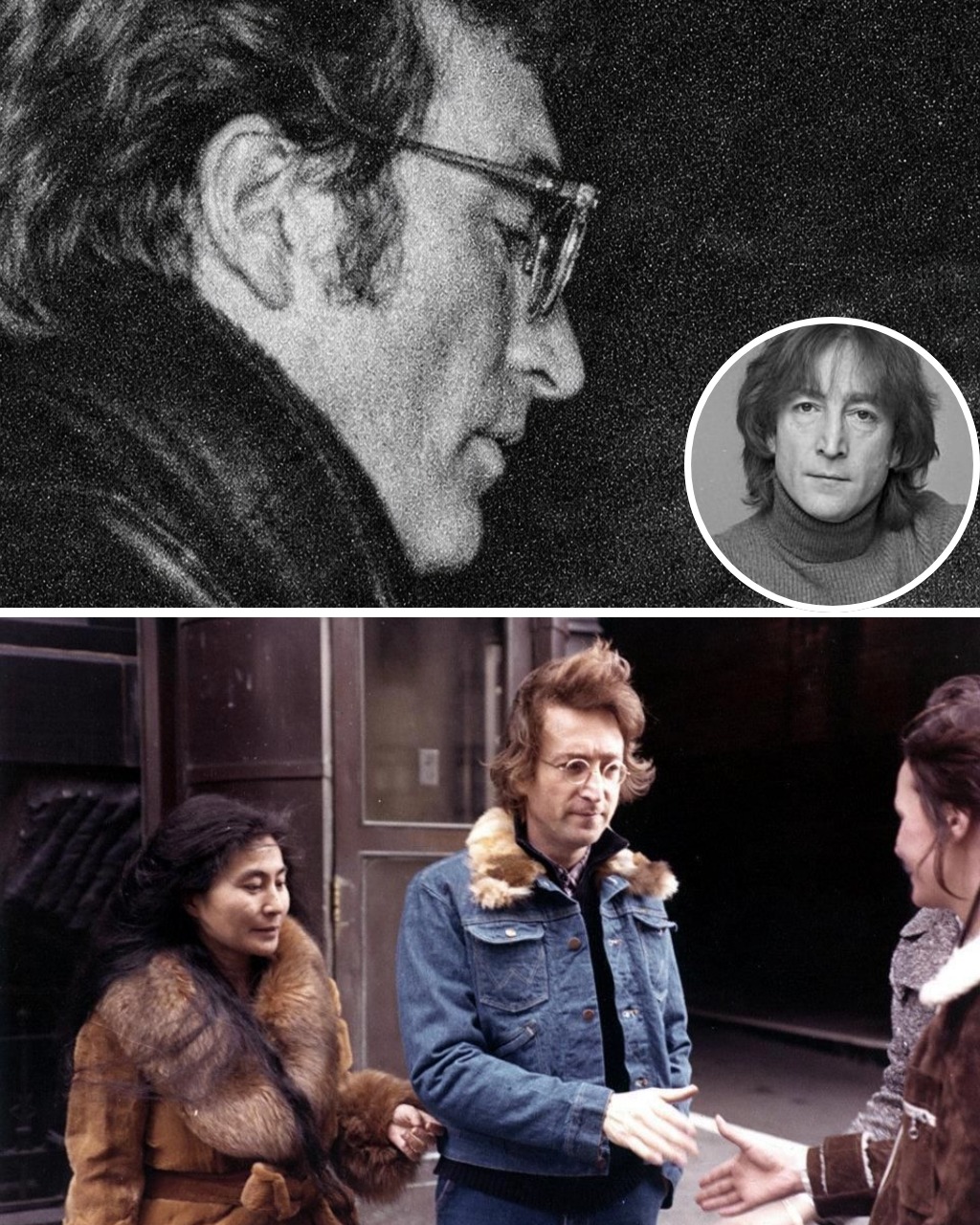
December 8, 1980. A man in a dark coat, hands in his pockets, waiting. No entourage. No stage. No spotlight. Just John Lennon, resident of the building behind him, pausing for a moment that would become anything but ordinary.
The name linked to the shutter click is Paul Goresh — a fan with a camera who often waited outside the building where Lennon lived, hoping for a glimpse, a wave, a moment. He never imagined he might capture something history would never forget.
The Photograph
Goresh had been waiting outside The Dakota when Lennon emerged, preparing to leave for a recording session at the Record Plant studio. A young fan named Mark David Chapman approached, asking for an autograph. Lennon obliged, signing a copy of his Double Fantasy album.
Then Goresh raised his camera.
The resulting image shows Lennon in profile, slightly hunched against the December chill, his expression neutral. Tired, perhaps. Content, maybe. Impossible to read. Just a man, outside his home, living an ordinary moment in an extraordinary life.
No one knew it would be his last photograph.
The Hours After
Lennon signed Chapman’s album, then left for the studio with Yoko Ono. They worked late, mixing “Walking on Thin Ice.” Returning home just before 11 p.m., they stepped out of their limousine near the entrance of The Dakota.
Chapman was waiting.
Five shots. Four hit. John Lennon was dead on arrival at Roosevelt Hospital.
The Photograph’s Weight
Goresh’s photograph became something it was never meant to be: a document of the last ordinary moment. The final seconds before the world stopped.
In the days that followed, the image circled the globe. Newspapers ran it alongside headlines announcing the murder. Fans studied it for clues, for meaning, for any hint of what was coming.
There was none. Just a man, standing outside his home, looking like any other man on any other afternoon.
What It Reveals
Decades later, the photograph still carries weight. Not because it’s dramatic. Because it’s not. Lennon isn’t performing. Isn’t posing. Isn’t being a Beatle. He’s simply existing — and that ordinariness, in retrospect, becomes the most extraordinary thing of all.
“He was just John that day,” Goresh later reflected. “Not the legend. Not the icon. Just a guy coming out of his building. That’s what I captured. That’s what we lost.”
The Name
Paul Goresh carried the weight of that photograph for the rest of his life. He never sought fame from it, never exploited it. He simply documented a moment and watched as history turned it into something else entirely.
He died in 2017, leaving behind the image that would outlive him.
Stillness Before Night
The Dakota still stands on 72nd Street. Fans still gather outside, leaving flowers, singing songs, remembering. Some bring copies of Goresh’s photograph — the last image, the final moment, the ordinary afternoon that became extraordinary only because nothing followed it.
No spotlight. No stage. Just a split-second of stillness.
And then night fell. And the world changed forever.