The Wound That Still Sings: How “Maybe I’m Amazed” Became Paul McCartney’s Ongoing Love Letter
If you have attended a Paul McCartney concert in the past twenty years, you know the moment. It is not a transition; it is a descent. The final, furious fuzz-toned roar of “Helter Skelter” collapses into a ringing silence. The stadium, moments before a sea of bouncing, screaming energy, becomes a cathedral.
The lights dim to a single, warm spotlight. McCartney walks, not with the swagger of a rock star, but with the quiet purpose of a man keeping an appointment, toward the grand piano. A hush falls, so deep you can hear the rustle of fabric, the clearing of a throat in the upper decks. This is the sacred space reserved for “Maybe I’m Amazed.”
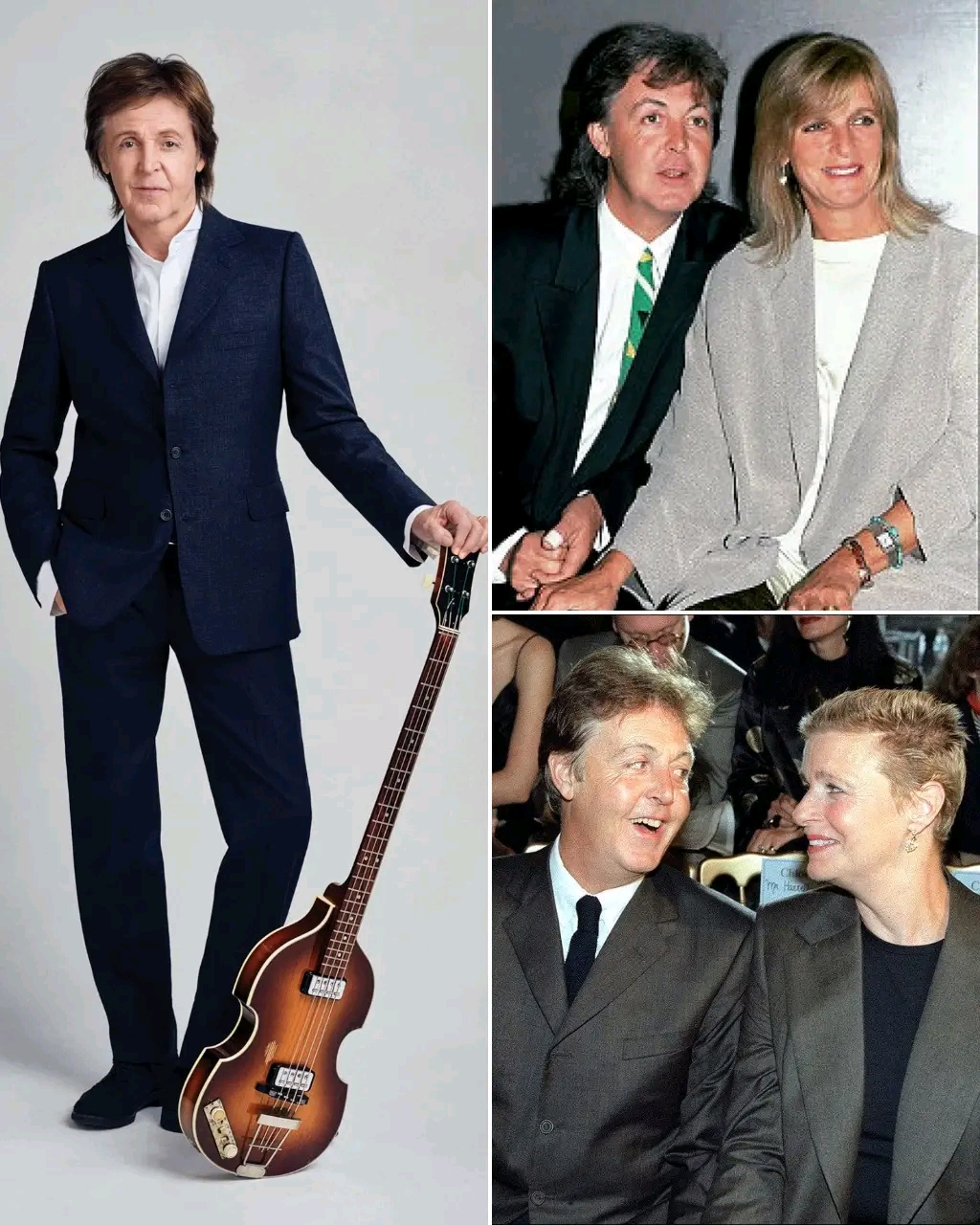
Written in the turbulent spring of 1970, as The Beatles crumbled and his world turned to noise, the song was a lifeline thrown to the one person who felt like solid ground: Linda Eastman. It was a private plea, a burst of astonished gratitude set to music. But over the decades, and especially since Linda’s death in 1998, it has transformed into something far more profound: an ongoing conversation.
As the first, soul-baring piano chords ring out—those rich, gospel-inflected chords that feel less played and more unearthed—the giant screens flanking the stage don’t flash with psychedelic visuals. Instead, they fill with Linda. Not the celebrity wife, but the woman. Grainy Super 8 footage of the family farm in Scotland. A candid photograph of her laughing, head thrown back, holding a camera. A shot of her with their children, her love a tangible force. They are fragments of a life shared, uncurated and breathtakingly intimate.
He often introduces the song with a line so simple it carries the weight of a vow: “I wrote this for Linda.” Nothing more is needed. The connection is made. And then he sings.
It is in the singing that the true conversation happens. His voice, that instrument of impossible melodic grace, does not glide effortlessly here. It cracks. It strains with emotion on the high notes of “maybe I’m a man, maybe I’m a lonely man.” It’s not the crack of age, but of feeling—the devotion of a 27-year-old man, still raw and amazed, being channeled through the weathered vessel of an octogenarian who has lived a lifetime of that love and its loss. He is singing to the photograph, to the memory, to the empty space beside him that will never truly be empty.
In those four minutes, Linda McCartney is not remembered as an absence. She is conjured as a presence. She is still part of the band. Her spirit is in the harmony only Paul can hear, in the photographs she took that now illuminate his stage, in the family they built that allowed him to survive fame’s hurricane. The song is no longer just a tribute; it is a seance in C major.
The final, soaring “yeah, yeah, yeah” fades, the last piano note hangs in the air, and the applause begins—not a roar, but a wave of shared, grateful empathy. For everyone present, it is a masterclass in how love, when it is real, never becomes past tense. It simply changes key. And Paul McCartney, night after night, stadium after stadium, returns to the piano to prove it, turning a personal wound into the most public, and most beautiful, song that still knows how to bleed.